Enterprise integration
Your systems.
Tested in context.
Agent evaluation built around the way your business actually works.
Nuhaverse is enterprise software integrated with your systems by our team—not a self-service SaaS subscription. Start with one workflow, its rules and the outcomes that must hold.
Email the integration teamOpens an email draft. Or write to Info@nuhaverse.com.
The delivery approach
One workflow.
A clear path to evidence.
Begin with a refund, a ticket update or an approval. We agree scope, stages and acceptance criteria with your team before work begins.
- 01
Scope
Choose one consequential workflow.
Map the systems, business rules and release decision. Agree the boundary before building.
Proposed artifactsWorkflow map · acceptance criteria
- 02
Model
Make the system behaviour explicit.
Define contracts, permissions and state transitions using synthetic or approved sanitised examples.
Proposed artifactsInterface contracts · fixture plan
- 03
Exercise
Test what happens when things fail.
Run baseline paths alongside duplicate requests, stale reads, timeouts and policy conflicts.
Proposed artifactsScenario suite · traces · outcome checks
- 04
Review
Put evidence behind the decision.
Review failures, coverage gaps and residual risk. Agree remediation and change ownership.
Proposed artifactsEvidence bundle · rerun and handover plan
Built together
Clear ownership.
Fewer assumptions.
- Your team
- System and policy owners, approved examples and access, acceptable outcomes and production release approval.
- Nuhaverse
- Integration design, workflow modelling, scenarios, evidence interpretation and the agreed delivery artifacts.
- Agreed together
- Scope, deployment requirements, data boundaries, acceptance criteria, timelines, pricing and handover.
Before we connect
Resolve these questions with your security and system owners. Agreed controls and responsibilities become part of the engagement scope.
Deployment & network boundary
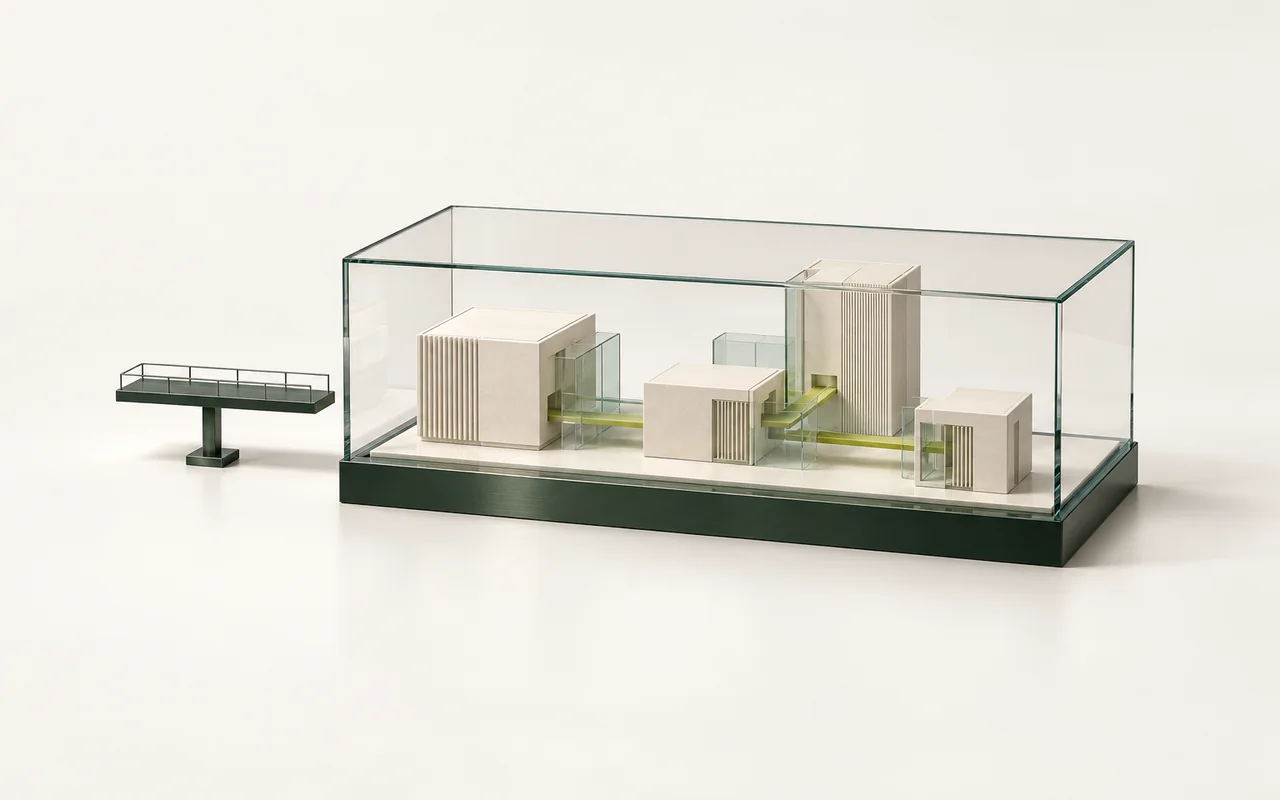
Agree where components run, permitted network paths and egress, and how separation from production is demonstrated. Connections and data movement are specified for each engagement; the illustration does not imply production access.
Credentials & permissions
Start with synthetic systems where possible. For approved access, name the owners of least-privilege identities, credential storage, rotation and revocation.
Data, retention & deletion
Agree what fixtures and traces may contain, who can access them, retention periods and deletion at closure. Review redaction before sharing; never send secrets, credentials or customer records in an initial enquiry.
Changes & release ownership
Name owners for connector, policy and scenario changes, required reviews and reruns. Your team retains production release approval; passing a suite is evidence within its boundary, not a safety certificate.
Start with the workflow
Make the first
conversation useful.
Bring the business action, the systems it touches and the outcome you need to trust. We’ll work through the integration scope with you.
Email the integration teamOpens an email draft. Or write to Info@nuhaverse.com.
Integration planning brief
A seven-part worksheet for scope, system contracts, data boundaries, ownership and release evidence. Keep sensitive details out.
Download planning briefMarkdown · editable locally · no form or account
Or inspect a sample replayAn illustrative local example, not a customer trace.